

San Marcos La Laguna sits on the north-western shores of Lake Atitlán and has built quite a reputation for itself. Ask anyone who’s been to Guatemala and they’ll tell you it’s the spiritual, wellness-obsessed town of the lake: yoga studios on every corner, cacao ceremonies advertised in every window, and incense burning pretty much everywhere you look.
My travel companion Ellie and I visited San Marcos on a day trip from San Pedro, and I’ll be honest with you: we lasted about an hour before deciding it wasn’t our scene. If holistic wellness is your thing, you might be in your absolute element, but for us (despite me especially being into meditation and yoga) it was too forced, too contrived. San Marcos attracts people from all over the world specifically for what it offers, and for the right kind of traveller, it’s a genuinely special stop on a Guatemala trip.
Here’s everything you need to know before you go.
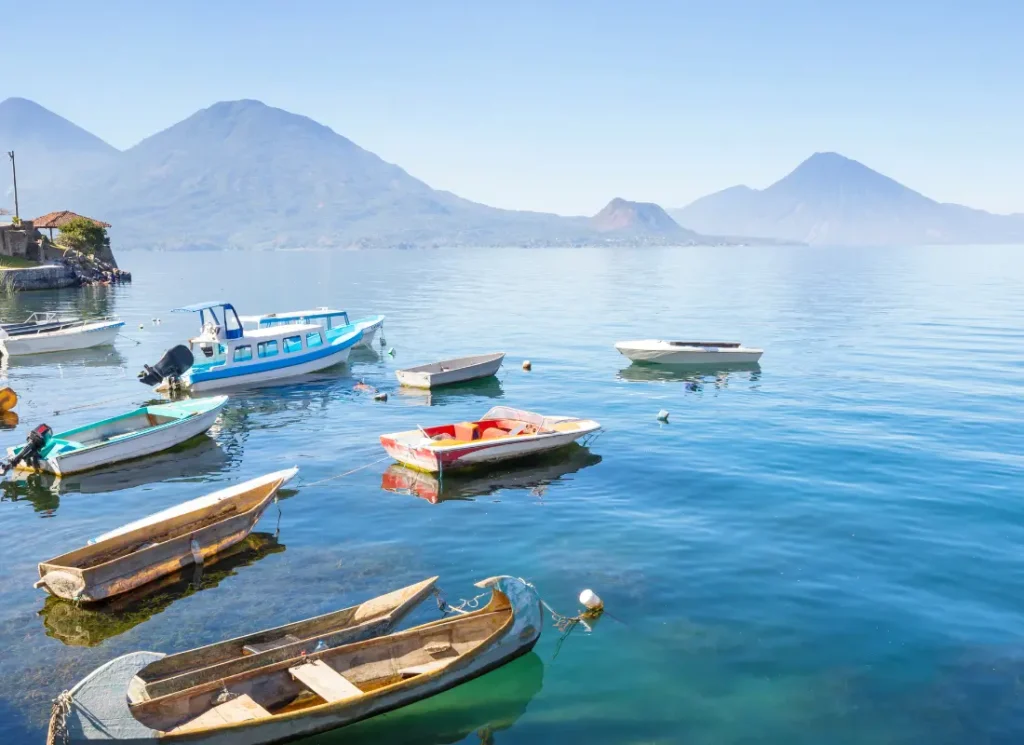
Quick Facts
- Getting there: boat from Panajachel (30-40 mins, around 25Q / ~$3) or boat from San Pedro (15-20 mins)
- Entry to Cerro Tzankujil Nature Reserve: 20Q (~$2.50)
- Best for: yoga, wellness retreats, cliff jumping, cacao ceremonies
- Budget: pricier than other Lake Atitlán towns
- How long to spend: an afternoon if you’re just passing through; a week or more if you’re doing a retreat
How to Get to San Marcos La Laguna
The most important thing to know about getting to San Marcos is this: do not try to take the chicken bus all the way there. Ellie and I went the long way round from Antigua to San Pedro by chicken bus and it got dicier by the minute. (My fault entirely, and I fully own that.) Take your chosen form of transport to Panajachel, and pick up the public lancha (boat) from there.
From Antigua to San Marcos La Laguna
Take a shuttle bus from Antigua to Panajachel (around 3-4 hours, 100-150Q depending on who you book with), then jump on a public lancha from the Panajachel dock to San Marcos. The whole journey takes around 4-5 hours. Most hostels and hotels in Antigua can arrange the shuttle, or you can find operators on the main street.
From Panajachel
Public lanchas run roughly every 30-60 minutes from around 6:30am to 5pm and cost around 25Q (~$3). The ride to San Marcos takes about 30-40 minutes and the views across the lake are stunning.
From San Pedro
The boat between San Pedro and San Marcos takes around 15-20 minutes and is one of the shortest hops on the lake. Cost is around 15-20Q.
One important note on boat times: the last public boats typically leave between 5pm and 7pm depending on the operator, and different companies run different schedules. If you miss your company’s last boat, you may have to buy a new ticket with someone else. Don’t leave it too late.
If you’re arriving from Guatemala City Airport, this guide on getting from Guatemala City Airport to Lake Atitlán will help!
The Vibe in San Marcos (Honest Take)
San Marcos is split into two distinct areas: the traditional Mayan village and the more tourist-oriented zone. Both offer different experiences and it’s worth wandering between them.
On every corner of the tourist zone you’ll find incense burning, advertisements for cacao ceremonies, and cafes where you sit on the floor. (No judgement, I genuinely love sitting on the floor, I’m just painting a picture.) The problem, for us, was that San Marcos felt less like a spiritual sanctuary and more like the Instagram version of one. The prices told the same story: yoga retreats at $100 a day, artisan clothing at US prices, and wellness treatments that would feel expensive even back home.
That’s not to say it isn’t worth visiting, it’s just worth going in with the right expectations. If you’re a dedicated yoga practitioner, someone interested in sound healing or cacao ceremonies, or you’re looking for a genuine multi-day retreat, San Marcos might be exactly the place you’ve been looking for. If, on the other hand, you’re a backpacker looking for a quiet and authentic lakeside town, you might find San Marcos feels a little performative.
Things to Do in San Marcos La Laguna
Cliff Jumping at Cerro Tzankujil Nature Reserve
This is the most popular activity in San Marcos and honestly, it’s brilliant. Cerro Tzankujil Nature Reserve is home to the most famous cliff jumping spot on Lake Atitlán, and it’s incredibly easy to get to. The nature reserve sits right next to the town, entry costs around 20Q (~$2.50), and the platforms are well-maintained and well-used. Even if jumping off a cliff isn’t your idea of fun, the nature reserve has lovely walking trails and viewing platforms with panoramic views across the lake and the volcanoes. It’s also one of the safest and cleanest places to swim in Lake Atitlán, with crystal-clear water and proper access points into the lake.
Take a Yoga Class
San Marcos is the yoga capital of Guatemala and it takes this title seriously. There are studios offering classes throughout the day for all levels, many with views over the lake. You can just show up and ask for the drop-in schedule, or check at your hostel reception for recommendations. Whether you’re a complete beginner or someone with years of practice, you’ll find a class that works for you.
Cacao Ceremony
Traditional cacao ceremonies are one of the more unique things to experience in San Marcos. They use ceremonial-grade cacao and are led by practitioners who share the history and significance of cacao in Mayan culture. I didn’t do one myself, so I can’t give you a personal account, but from what I heard it’s a genuinely interesting cultural experience rather than just a trendy wellness activity. Worth shopping around before you book, though, as quality varies a lot.
Sound Healing
Sound healing sessions typically use Tibetan singing bowls, gongs, and various other instruments to create vibrations intended to promote relaxation. You can find both group and private sessions dotted around town. It’s the kind of thing that sounds a bit out-there until you actually try it, and then you either love it or you don’t. San Marcos is considered one of the best places in Central America to try it with experienced practitioners.
Meditation and Breathwork
From single drop-in sessions to multi-day silent retreats, there’s a lot on offer for meditation in San Marcos. Many centres combine meditation with yoga or breathwork, and some run daily classes as part of longer programmes. If you’re new to meditation, it’s a genuinely good place to start with guidance. If you’re experienced, you’ll find courses that go much deeper.
Drum Circles
San Marcos is known for its spontaneous drum circles, particularly around sunset. These happen organically near the waterfront and are one of the more communal, genuinely spirited things about the town. You don’t need any experience, just a willingness to join in (or sit nearby and enjoy the atmosphere).
Explore the Local Market
The local market gives you a glimpse into the traditional Mayan side of San Marcos, away from the wellness zone. Go early in the morning if you want to see it at its most alive. It’s a good reminder that behind the yoga studios, there’s a real community here that has existed long before the retreats arrived.
Watch the Sunset
San Marcos has some of the best sunset views on Lake Atitlán. Several hillside cafes are perfectly positioned to watch the sun go down behind the volcanoes, and this is genuinely free and genuinely beautiful, no retreat booking required.
Where to Stay in San Marcos La Laguna
Accommodation in San Marcos tends to be a bit pricier than in other towns around Lake Atitlán, but many places include extras like yoga sessions, meditation classes, or organic breakfast in their rates. Here’s a rough breakdown by budget.
Hostels (Budget: ~£10-20/night)
The hostels in San Marcos have a different feel from those in San Pedro or Panajachel. Don’t expect a party. Expect morning meditation, communal vegetarian kitchens, and quiet common spaces. It’s not the best choice if you’re hoping to meet a lot of other travellers, but if you want a calm base without paying retreat prices, it works well.
Worth looking at: Hostal Del Lago (lake views, vegetarian breakfast), Maya Moon Lodge (lake access, good views), ATI Hostel & Beach Club (free breakfast, beach access).
Mid-Range Hotels (~£40-80/night)
Many of the mid-range hotels in San Marcos sit somewhere between a hotel and a retreat centre, with yoga decks, organic gardens, and meditation spaces built in. Most are scattered up the hillside for the views, built using natural materials.
Worth looking at: Hotel La Paz (peaceful gardens, lake views), Lush Atitlán (eco-friendly, permaculture gardens).
Upscale and Retreat Stays (£80-150+/night)
San Marcos doesn’t do conventional luxury hotels. What it does do is high-end wellness, and it does it well. Expect infinity pools over the lake, spa treatments, gourmet vegetarian food, and expert-led programmes.
Worth looking at: Laguna Lodge (eco-luxury), Anzan Atitlán (modern luxury with traditional Mayan influences), Eagles Nest San Marcos La Laguna (wellness programmes and workshops), Las Piramides (traditional meditation and spiritual studies), The Yoga Forest (immersive yoga and meditation retreats).
A note on location: San Marcos is small and walkable, but some of the retreat centres and upscale properties are a steep climb up the hill. The views are worth it in daylight, but it’s worth thinking about access if you’re arriving after dark or during rainy season.
How long to stay
An afternoon is enough if you’re just visiting for the vibe and maybe a yoga class or some cliff jumping. If you’re doing a retreat or workshop programme, most people stay at least a week. There’s not quite enough to fill several days of general sightseeing once you’ve done the nature reserve and explored the town.
How Much Does San Marcos Cost?
San Marcos is noticeably more expensive than towns like Santa Cruz and San Juan. Here’s a rough idea of what to budget:
- Boat from Panajachel: ~25Q ($3)
- Entry to Cerro Tzankujil: ~20Q ($2.50)
- Drop-in yoga class: $10-20
- Cacao ceremony: $25-60 depending on the operator
- Coffee or hot chocolate in a cafe: 25-50Q
- Hostel dorm: from ~£10/night
- Mid-range hotel: £40-80/night
- Wellness retreat (all-inclusive): $80-200+/day
🇬🇹 Click here for my guide to money, ATMs & currency in Guatemala, or here for the cost of living in Guatemala!
If you’re visiting for the day from San Pedro or Panajachel, you can easily keep costs low by sticking to the nature reserve and maybe one activity.
Is San Marcos La Laguna Worth It?
That really depends on what you’re after. If wellness, yoga, or spiritual retreats are genuinely your thing and budget isn’t too much of an issue for you, I can see how San Marcos could turn out to be a really good experience for you. The setting on the shores of one of Central America’s most beautiful lakes is extraordinary, and there’s a real community of like-minded people here.
If you’re a backpacker on a tight budget who wants authentic local culture, you might find it feels a little overpriced and a bit manufactured. In that case, visit for the afternoon, do the cliff jump, and take the boat onwards to San Pedro or San Juan.
Either way, it’s easy enough to visit as a day trip and make up your own mind.
Getting Around Lake Atitlán from San Marcos
One of the best things about Lake Atitlán is how easy it is to move between the towns by boat. From San Marcos you can jump on a lancha to San Pedro, Panajachel, San Juan, Santa Cruz and beyond. Just make sure you’re getting on a boat going the right direction before you hop on, and check the last boat times before you head out for the day.
🇬🇹 For more on exploring the lake, here’s my full guide to the towns around Lake Atitlán.
FAQ: San Marcos La Laguna
How do I get from Antigua to San Marcos La Laguna?
Take a shuttle from Antigua to Panajachel (3-4 hours, around 100-150Q), then catch a public lancha from Panajachel to San Marcos (30-40 minutes, around 25Q). Don’t try to go all the way by chicken bus. It’s possible in theory but significantly more complicated and not worth the hassle unless you’re doing it purely for the adventure.
How long is the boat ride from Panajachel to San Marcos?
About 30-40 minutes on a public lancha. Public boats run roughly every 30-60 minutes from around 6:30am to 5pm and cost around 25Q per person. The ride has great views of the lake and volcanoes.
Is San Marcos La Laguna expensive?
Compared to other towns on Lake Atitlán, yes. Wellness activities, accommodation, and cafes are all priced higher here than in San Pedro or San Juan. Budget about $10-20 for a drop-in yoga class, and significantly more for retreat packages. The local market and public boats are the main exceptions where prices stay in line with the rest of Guatemala.
Where is the best place to swim in San Marcos?
Cerro Tzankujil Nature Reserve has the cleanest and safest swimming spots on this part of the lake. There are designated access points into the water and it’s well-maintained. Some other parts of the lake around San Marcos can be affected by pollution from nearby towns, so it’s worth sticking to the reserve.
What is the best time of year to visit San Marcos La Laguna?
The dry season from November to April is the most reliable for weather, with December to February being particularly pleasant. This is also peak season, so book accommodation in advance if you’re planning to stay, especially at retreat centres.
Are there party hostels in San Marcos?
No. San Marcos is one of the quieter towns on the lake. If you want nightlife and a social hostel scene, head to San Pedro La Laguna instead, which is the backpacker hub of Lake Atitlán.
Recommended Reading
- Is Guatemala Airport a safe place to be?
- A Complete Guide to the Acatenango Volcano Hike
- What to Pack for the Acatenango Volcano Hike
- 15 Things to Do in Panajachel
- Where to Stay in Antigua
- Steal my Guatemala Packing List!
