

Panajachel is one of the most popular spots to stay around Lake Atitlán, Guatemala (known as Lago de Atitlán in Spanish). When I was travelling in Guatemala, a lot of people told me not to bother going because there aren’t many things to do in Panajachel.
I totally disagree!
I took their advice and stayed in San Pedro, but when we visited Panajachel we found that there is actually plenty to do there, especially for such a small town. We didn’t spend the night in Panajachel, but I definitely would if I was going back. Panajachel is a great spot for making the most of your trip to Lake Atitlán.
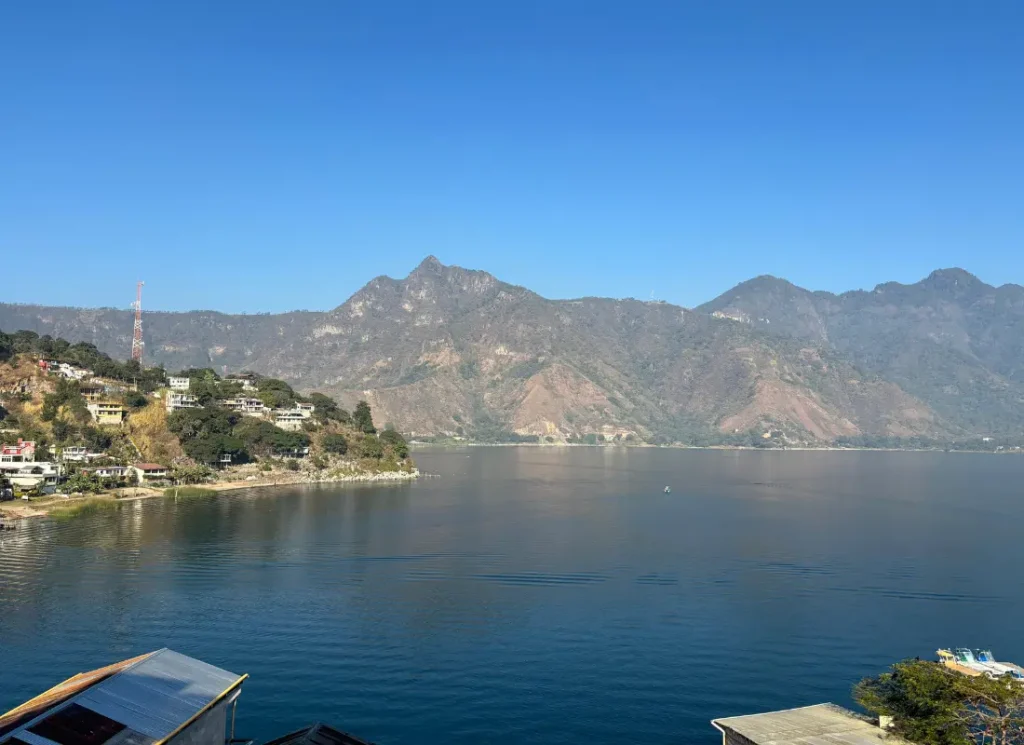
We visited Panajachel on our last day at Lago de Atitlán, hopping over by boat from San Pedro, and found a small town packed with things to do, from a stunning nature reserve and a hidden butterfly farm to water sports, great coffee, and some of the best views of the lake you’ll find anywhere. If I went back to Lake Atitlán, I’d spend at least a portion of my time staying in Panajachel.
Whether you’re passing through for a day or planning to base yourself here, this guide covers everything worth doing in Panajachel, Guatemala, plus honest notes on costs, what to skip, and how to make the most of your time here.
Quick Facts: Panajachel, Guatemala
How long to stay: 2 to 3 days is ideal, but even a day trip from another lake town is worth it
Best time to visit: November to April (dry season), though mornings are usually clear year-round
Getting there: Public boat (lancha) from any town around the lake, or shuttle/chicken bus from Antigua to Panajachel (around 3 hours)
Getting around: On foot or by tuktuk for longer distances or if you’re carrying bags
Currency: Guatemalan Quetzales (Q). Carry cash, especially for market stalls and nature reserves
Nature and Hikes to do in Panajachel, Guatemala
1. Atitlán Nature Reserve (Cerro Tzankujil)
This was our favourite place in all of Lake Atitlán, and I don’t say that lightly.
On our last day at the lake, we took the boat over from San Pedro to Panajachel and jumped in a tuktuk to the Atitlán Nature Reserve, also known locally as the Cerro Tzankujil Nature Reserve. You can walk there from town in about 20 minutes, but there’s not much in the way of pavement and if you’re carrying your bags (like we were, after a night out in San Marcos…) I’d recommend the tuktuk. Ask your driver to swap numbers and pick you up when you’re done; they’re usually happy to arrange this.
We paid 85 Quetzales each (around $11) to enter. Inside you’ll find hanging bridges, a waterfall, several short hiking trails suitable for different abilities, animals, and even a zip line if you book ahead. The former coffee plantation setting gives the whole place a lush, quiet feel that’s hard to find in a busy tourist area, and it doesn’t take long before you’ve completely forgotten about Calle Santander.
There’s also a small private beach within the reserve on the lake’s edge, which is one of the cleanest and safest places to swim in the whole area (more on that below).
Bonus: the reserve has clean toilets, free drinking water, and seating areas, so it’s a genuinely good spot to sort yourself out if you’re mid-trip. We were also able to leave our larger bags at reception while we hiked, which was a relief!
Tips: Go early to beat tour groups. The zip line needs advance booking, so check ahead if that’s on your list.
2. The Butterfly Farm (Mariposario)
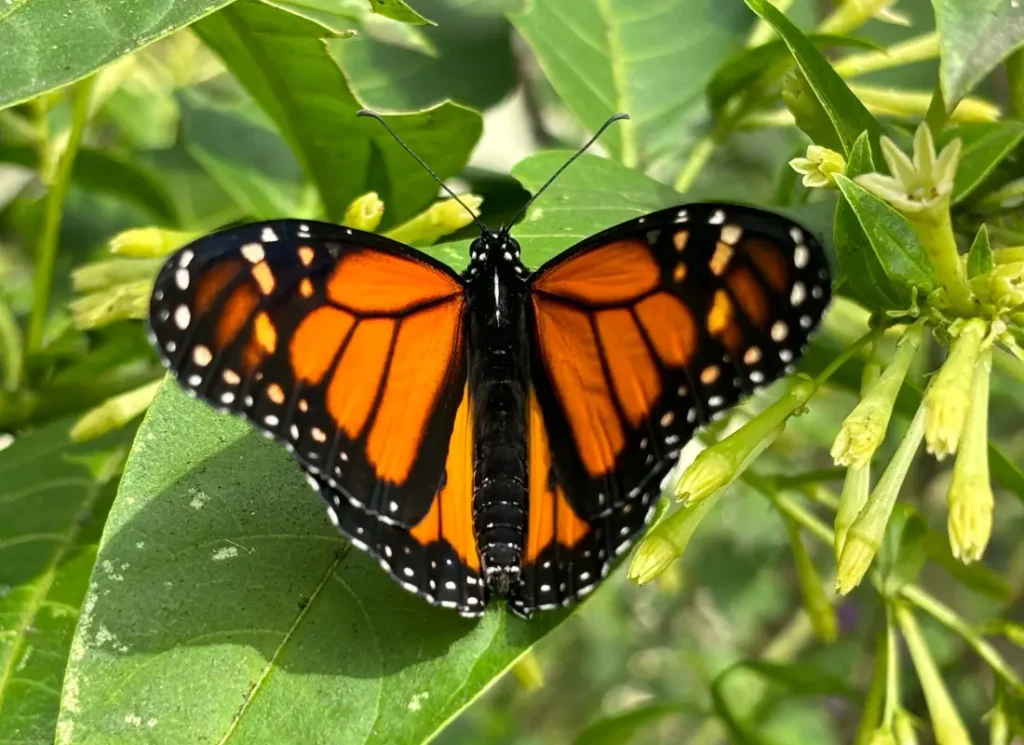
The butterfly farm is tucked inside the Atitlán Nature Reserve, so your 85Q entrance fee covers this too. It’s not well-advertised, and we only stumbled across it on our way to the beach, but it completely made our day.
The Mariposario itself is small, but it’s absolutely full of butterflies, and when we visited we had the whole place to ourselves. It felt magical in a way that’s hard to explain. There’s a huge range of species and plants, and just outside the dome there’s a display showing the full lifecycle of several species, from tiny eggs all the way through to caterpillars, cocoons, and newly hatched butterflies. It was one of those things that seems unremarkable on paper but is genuinely incredible when you’re standing in front of it.
Just be careful not to touch the plants or the butterflies themselves.
3. Hike the Surrounding Mountains
Lake Atitlán sits in a valley surrounded by volcanoes, which means the hiking options are extraordinary. Two trails accessible directly from Panajachel are the Camino a Tierra Linda and Piedra del Zope, both of which offer beautiful natural vegetation and views of the lake without requiring a boat. Note that there’s usually an additional fee to enter the national park trails.
If you’re building up to something bigger like the Acatenango Volcano hike, a morning trail in Panajachel is a great warm-up. That’s exactly what we used it for.
4. Hike Indian Nose or San Pedro Volcano (from Nearby Towns)
Some of the very best hikes at Lake Atitlán start with a short lancha ride to a nearby village. The public boats run regularly during daylight hours and will get you almost anywhere around the lake in under 30 minutes, which makes combining Panajachel with a day hike from another town really easy.
Worth knowing about:
Indian Nose Peak (accessed from San Juan La Laguna) is one of the most popular sunrise hikes in the area and offers stunning views over the lake and surrounding volcanoes. Most people do it with a local guide, and I’d recommend the same.
San Pedro Volcano (accessed from San Pedro La Laguna) is a more serious hike at high altitude, taking around 4 to 5 hours to summit. It’s worth doing with a guide for safety on the trail.
The Lower Mayan Trail (accessed from San Marcos La Laguna or Santa Cruz La Laguna) is a gentler option with beautiful natural scenery.
A word of caution: some tourists have had issues with robbery on the less-frequented trails around the lake. Leave valuables at your accommodation, stick to common routes, and hiring a local guide is genuinely worth the extra cost, not just for safety but because they know these trails inside out.
5. Quetzal Bird Watching
Guatemala’s national currency, the Quetzal, is named after the country’s national bird, and if you’ve never seen one, you’re in for something special. These birds are extraordinary, vivid green and red with iridescent feathers, and they’re notoriously difficult to spot without knowing where to look.
Your best bet is to book a bird watching hike with a local guide who knows the best spots and can do the bird calls that draw them out. They’ll also make sure you stay on the trail and don’t accidentally disturb the habitat, which matters a lot in this area.
🇬🇹 Recommended Reading: Where to Stay in Panajachel
Water Sports on Lake Atitlán
Lake Atitlán is the deepest lake in Central America, and its usually calm surface makes it one of the best places in Guatemala for water sports. Most activities can be arranged directly in Panajachel, either through your accommodation or from operators on Calle Santander.
6. Paddleboarding (SUP)
Paddleboarding is one of my personal favourites when it comes to water sports. It requires a little more balance and concentration than kayaking, but it’s not so technical that you need lessons, and the views from the water are genuinely stunning. The volcanoes reflected in the lake on a clear morning is one of those views that makes you feel grateful to be travelling.
Boards can usually be rented directly on the lakefront in Panajachel.
7. Kayaking
Kayaking is another brilliant way to explore the lake at your own pace. Book a late afternoon session and you’ll catch the sunset over the water, which is hard to beat. It’s also a good way to paddle out to a quieter spot for a swim, away from the boat traffic near the piers.
8. Cliff Jumping
There are a handful of safe cliff jumping spots on Lake Atitlán, with the most well-known near San Marcos and another close to Santa Cruz. Most spots offer a lower jump (1 to 3 metres, which is absolutely my kind of cliff jump), and higher options up to around 8 metres.
I’d recommend going with an organised group from your hostel or similar, rather than trying to find the spots independently. A guide will know exactly which jumping points are safe, they’re usually tested regularly by the guides themselves, and cliff jumping is really not something you want to get wrong.
Ask at your hostel or hotel in Panajachel and they’ll be able to point you in the right direction.
9. Boat Tour of the Lake
If your time at Lake Atitlán is limited, a guided boat tour is a great way to see the highlights without the logistics of piecing it all together yourself. These tours generally visit the same towns you could reach by public lancha, but the guides add a lot of local knowledge, you skip the waiting around, and you’re contributing to the local economy in a more direct way.
10. Wild Swimming
Wild swimming in Lake Atitlán sounds like an obvious activity, but there are a couple of things worth knowing first.
The water near larger towns, including Panajachel itself, carries risk of contamination due to run-off and sewerage issues. You might see locals swimming near town, but tourists are recommended to steer VERY clear. The water is safe for swimming in other parts of the lake; it’s really about choosing the right spot.
My top recommendation is the private beach inside the Atitlán Nature Reserve that I mentioned above. It’s sheltered from boats, clean, and quiet. Your hostel can also suggest other spots, and renting a kayak to paddle out to a more secluded area is a good option too.
One more thing: give the piers a wide berth when swimming. The boats move faster than you’d expect, and you don’t want to be a small head bobbing around in their path.
11. Paragliding
If you want to see Lake Atitlán from above (and honestly, why wouldn’t you?), paragliding is available in the area and offers some of the most spectacular views of the lake and surrounding volcanoes you can get. It’s a growing activity around Lago de Atitlán and worth looking into if you’re after something a bit different. Ask locally in Panajachel for current operators and prices, as these change seasonally.
🇬🇹 Read more about Guatemala: A Guide to the Guatemala Tourist Trail
Shopping, Food, and Culture in Panajachel
12. Explore the Mercado Central
No matter where I travel, the local market is always one of my first stops, and Panajachel’s Mercado Central is well worth a visit. It sits right at the top of Calle Santander, the main street in Panajachel, and for such a small town, it’s impressively large. You’ll find stalls selling handicrafts, local food, fresh produce, and household goods alongside each other, and it’s a genuinely good window into everyday Guatemalan life.
Go with an open mind and some small denomination Quetzales. Haggling is normal, and yes, you may be quoted tourist prices. Try not to be too bothered by it; the minimum wage in Guatemala is around 400 dollars a month.
13. Shop on Calle Santander
The main street in Panajachel is lined with artisan stalls and small shops selling textiles, jewellery, and souvenirs made by local women using traditional techniques including the backstrap loom, a weaving method with deep roots in Mayan culture. This is one of the better places in Central America to buy genuinely local crafts rather than mass-produced souvenirs, and you’re putting money directly into the hands of the people who make them.
14. Stop for Coffee (or Hot Chocolate)
Guatemala grows some excellent coffee, and Panajachel has a handful of good coffee shops where you can slow down and enjoy it properly. The former coffee plantation at the nature reserve gives you a sense of how central coffee is to this region’s history. If caffeine isn’t your thing, the hot chocolate is also worth trying, or cold chocolate if you’re already wilting in the heat.
15. Take a Day Trip to a Nearby Lake Town
One of the best things about basing yourself in Panajachel is how easy it is to take a lancha to the other towns dotted around the lake. Each one has its own character, and spending a day hopping between them is a genuinely fun way to see different sides of Lake Atitlán.
San Juan La Laguna is known for its artsy, laid-back atmosphere and is home to a number of cooperatives run by local women. Great if you want a relaxed afternoon with some interesting galleries and craft shops.
Santa Cruz La Laguna is quieter and prettier, a good choice if you just want to sit by the water and not think about anything for a few hours.
San Marcos La Laguna is the hippie town of the lake, with yoga studios, holistic therapies, and a very chilled-out vibe. Good for a massage or a yoga class.
San Pedro La Laguna is the place to go if you want a night out, though it’s usually only buzzing at weekends. Mr Mullet’s Party Hostel was the one everyone was talking about when I was there. Fair warning: if you’re not staying the night in San Pedro, getting back to Panajachel late at night means booking a private water taxi, which is considerably more expensive than the regular lanchas. Plan ahead or commit to staying until the first boats start at around 6am.
Practical Tips for Panajachel
Getting there from Antigua: You can take the chicken bus from Antigua to Lake Atitlan (cheapest option, takes around 4 hours with a change in Chimaltenango) or a tourist shuttle (faster, more comfortable, around 3 hours).
Getting there from Guatemala Airport: Your best bet is to take a tourist shuttle from Guatemala Airport to Lake Atitlan (the chicken bus all that way would be quite a wild ride!). Most of them, unfortunately, make a stop in Antigua along the way, which lengthens the journey time considerably.
Getting around Panajachel: The town is walkable, but tuktuks are also cheap and plentiful if you don’t fancy walking or you have big bags to lug around; just be sure to agree a price before you get in. For reaching other towns, the public lanchas (boats) run from the main dock during daylight hours.
Best time to visit: The dry season (November to April) is ideal for water sports and hiking, but the lake is beautiful year round. During the rainy season (May to October), mornings are usually clear and rain tends to come in the afternoon.
Travel insurance: Lake Atitlán is a fairly safe part of Guatemala, but some of the hikes and water sports involve real risk. Make sure your travel insurance covers adventure activities.
Spanish: Even a little goes a long way here. Locals around the lake speak Spanish (and many speak indigenous Mayan languages too), and outside of the main tourist street, English is limited.
Frequently Asked Questions About Panajachel
Is Panajachel worth visiting?
Yes, absolutely, despite what a lot of backpackers might tell you. There’s a real mix of things to do in Panajachel: great hiking, water sports, the nature reserve, a hidden butterfly farm, and easy access to every other town on the lake. It’s also the most accessible point around Lago de Atitlán if you’re coming from Antigua.
How long should I spend in Panajachel?
Two to three days gives you time to explore the nature reserve, try a water sport or two, do a day trip to another lake town, and not feel rushed. That said, even a day trip from San Pedro or San Marcos is worthwhile.
Is it safe to swim in Lake Atitlán near Panajachel?
Swim away from town and away from the piers. The private beach inside the Atitlán Nature Reserve is one of the best spots: no boats, no pollution, and very quiet. Your hostel can suggest other safe swimming spots.
When is the best time to visit Panajachel?
The dry season (November to April) is the most reliable for clear skies and calm water. During the rainy season, rain usually arrives in the afternoon, so plan outdoor activities for the morning.
How do I get to the other towns around Lake Atitlán from Panajachel?
Public lanchas (small boats) leave from the main dock in Panajachel throughout the day. They’re cheap, frequent, and cover most of the main towns on the lake including San Pedro, San Marcos, San Juan, and Santa Cruz.
Related Posts
Planning your time at Lake Atitlán? These guides will help:
The Guatemalan Tourist Trail for Backpackers
Chicken Bus from Antigua to Lake Atitlán
Guatemala Airport to Lake Atitlán: Your Transport Options
Best Places to Stay in Lake Atitlán
What to Pack for the Acatenango Volcano Hike
